AI Voice Cloning: Save Your Family's Voice for the Future — 7 Use Cases & Privacy Guide (2026) | Hey Subtitle
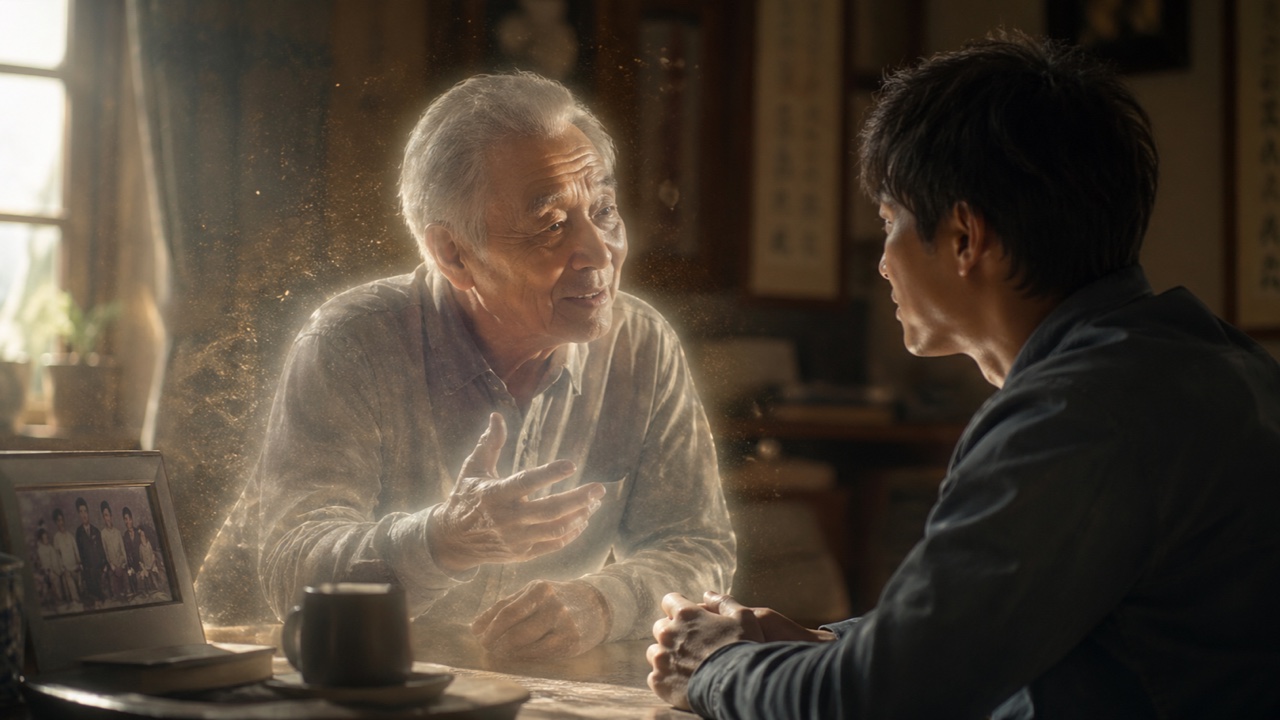
Have you ever wondered — if one day, your parents or grandparents could no longer speak, could you still hear them tell stories, sing, or call you to dinner?
That scene used to live only in memory.
But starting in 2026, it's no longer science fiction — AI voice cloning is turning "voice" into a continuable, inheritable family asset. At the same time, it's quietly reshaping how creators, businesses, and educators produce content.
Voice cloning isn't a tool — it's content infrastructure
In the past, content creation was time-consuming. Today, the biggest waste is repetition.
Re-recording, re-dubbing, redoing different language versions — these are hidden costs creators and businesses pay every day.
Voice cloning doesn't solve a single feature; it solves the scale problem:
- One recording can extend into many versions
- One piece of content can enter many markets
- One voice can become a long-term asset
That's why creators, enterprises, education — even ordinary families — are starting to adopt it.
Seven applications already happening
From personal to enterprise, from memorial to commercial, the use cases are wider than you think:
Preserve a loved one's voice
Record your parents or grandparents to build their AI voice model. Years from now, you can still hear them read stories or birthday wishes — turning their voice into a lasting family memory.
Podcast / Audiobook
Record once, generate an entire series. Cut production cost while keeping the show's tone consistent across episodes.
Online courses / training
Update course content without re-recording. Generate new versions from your existing voice and focus on substance, not equipment.
Customer service / IVR
Build a consistent brand voice across all touchpoints. No more rebooking voice talent every time the script changes.
Multi-language content
Output the same voice in Cantonese, Mandarin, English, and more. Critical for individuals and brands entering overseas markets while keeping identity intact.
Ad & marketing testing
Quickly produce ad variants in different tones and pacing for A/B conversion testing — no longer constrained by voice talent availability.
Medical & rehabilitation
Help patients with speech loss or impairment regain a usable voice. Real social impact, with adoption already starting in some healthcare settings.
Why preserving a loved one's voice is becoming a quiet trend
Among the seven use cases, one is rising quietly but rarely talked about — recording a loved one's voice as a family keepsake.
The voices of parents and grandparents are the most familiar companions of our childhood. When one day they can no longer speak, that loss is something words cannot replace. AI voice cloning lets you record a clear voice sample for them now — perhaps reading a childhood story, perhaps a birthday wish — so you can hear and feel their voice again at meaningful moments later.
This isn't science fiction. It isn't cold technology either. It's treating voice as the continuation of family.
If your loved ones are still around, this might be the most worthwhile thing you do this year.
Safety & authorization: the real questions
The key to voice cloning isn't "can it be done" — it's "is it safe, is it controllable."
A trustworthy system should protect users by design:
Explicit consent
Before building any voice model, the system requires you to confirm the voice is your own, or that you have explicit authorization from the owner. This is a mandatory step that cannot be skipped, ensuring every use has a legitimate basis.
Restricted use
Your voice sample is used only to build your personal voice model. It will not be used to train public AI models, will not be assigned or transferred to other users, and will not be reused without your consent.
Secure storage
Audio is encrypted in transit and stored under strict access control. Your voiceprint belongs only to you — you decide when, for whom, and for what purpose.
When judging whether a platform is trustworthy, look at three angles:
- Does it require explicit consent — is there a confirmation step, is the timestamp logged
- Does it limit how the voice is used — could it be used to train public AI, could it be sold to third parties
- Is the storage process transparent — encryption, access control, clear and verifiable flow
Voice is becoming a new type of personal asset
Voice used to be just a way to express. Now it's becoming reusable, scalable, and convertible into value.
The trend is clear:
- Creators will own their voice brand
- Businesses will build dedicated brand voices
- Individuals will have voice clones running long-term
- Families can preserve precious voices for the next generation
The question is no longer "should I use this technology" — it's "when do I start."
How to start
The simplest way is to try it yourself.
A short voice sample is all you need to build your own voice model and apply it across different scenarios.